ServicesMarketplaces & Platforms
Marketplace development, from the first trade to scale.
Two-sided products where strangers trust each other enough to trade. We design and build the whole thing: both sides of the market, the money in between and the tools your team needs to operate it.
- Next.js
- React Native
- Python
- PostgreSQL
- Mercado Pago
- Paddle
A marketplace is two products that have to work at the same time: one for the people who sell or offer something and one for the people who buy or book it. In between sits the hardest part, the trust that lets two strangers exchange money. Our marketplace development work is about getting those three pieces right from the first version, so the platform can grow without being rebuilt.
We are a software development company in Argentina, based in Córdoba, and we build marketplaces and platforms for companies and founders across Argentina and abroad.
What's included
Everything it takes, in one team.
Buyer & seller flows
Listing, search, checkout and order management, designed for both sides.
Payments
Protected payments, commissions and payouts with providers like Mercado Pago.
Trust & reputation
Reviews, verification and moderation so people trade with strangers.
Logistics & bookings
Shipping, availability calendars and reservations built into the deal.
Backoffice
Moderation, disputes, support and reports for the team that runs it.
SaaS platforms
Multi-tenant products with roles, subscriptions and billing.
What makes a marketplace different
An online store has one seller. A marketplace has many, and every one of them needs to publish, price, sell, get paid and build a reputation. That multiplies the work: two sets of user flows, permissions for each role, rules for commissions and refunds, and an operations team that needs to see everything. It is also why a marketplace usually costs more than an app of similar size; we explain the factors in how much it costs to build a marketplace.
Payments and trust
Money between strangers is the core of any marketplace. Depending on the model we design flows where the payment is held until the item arrives, split between parties, refunded when something goes wrong and paid out to sellers on a schedule. In Argentina that usually means Mercado Pago; for subscriptions and global billing we have used Paddle.
Trust is built in the product, not only in the payment. Reputation, reviews, verified profiles and clear rules for disputes are what make the second purchase happen.
Marketplaces and platforms we have built
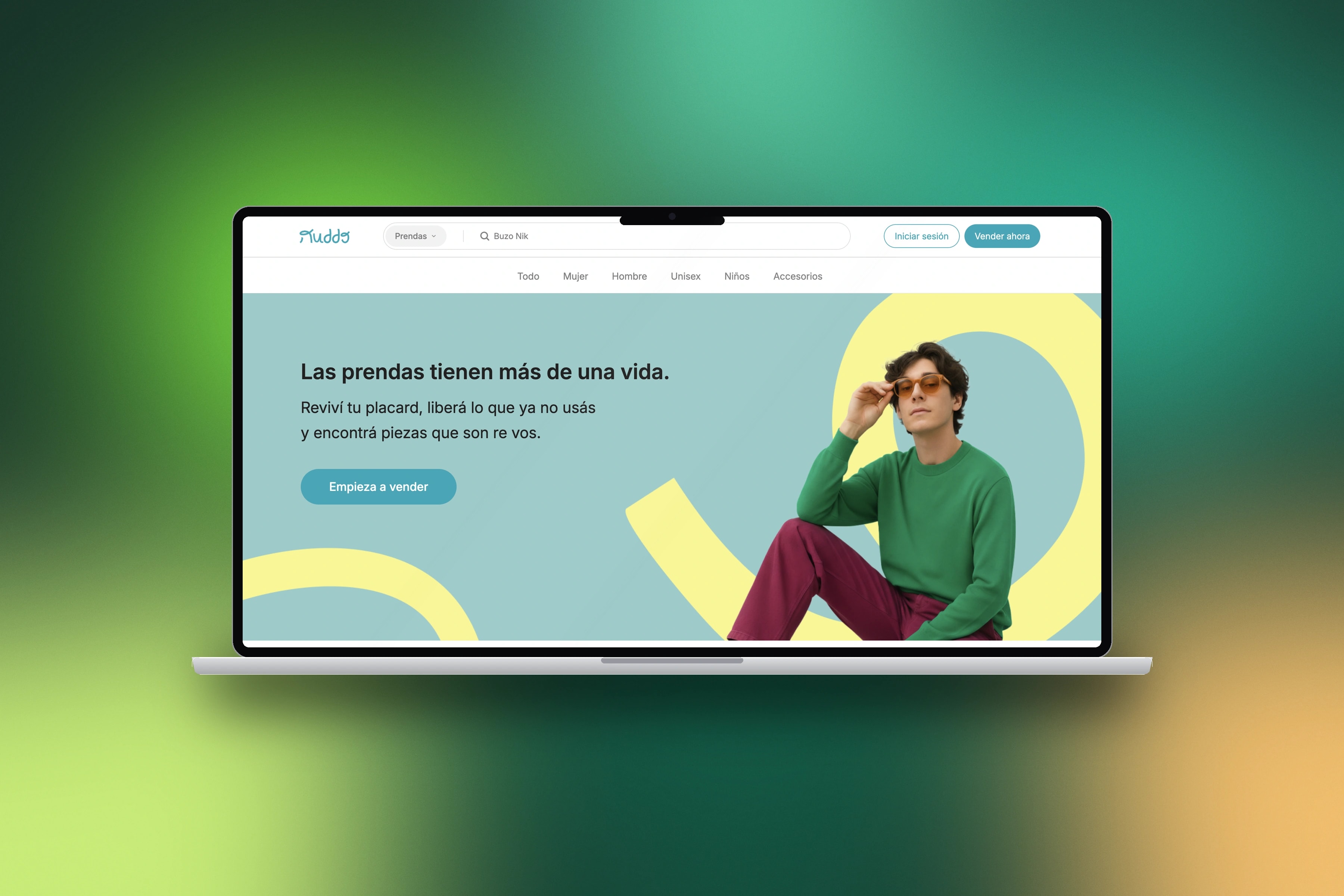
a second-hand fashion marketplace on web, iOS and Android with protected payments, door-to-door shipping and seller reputation. We tell the full story in how to build a second-hand fashion marketplace.
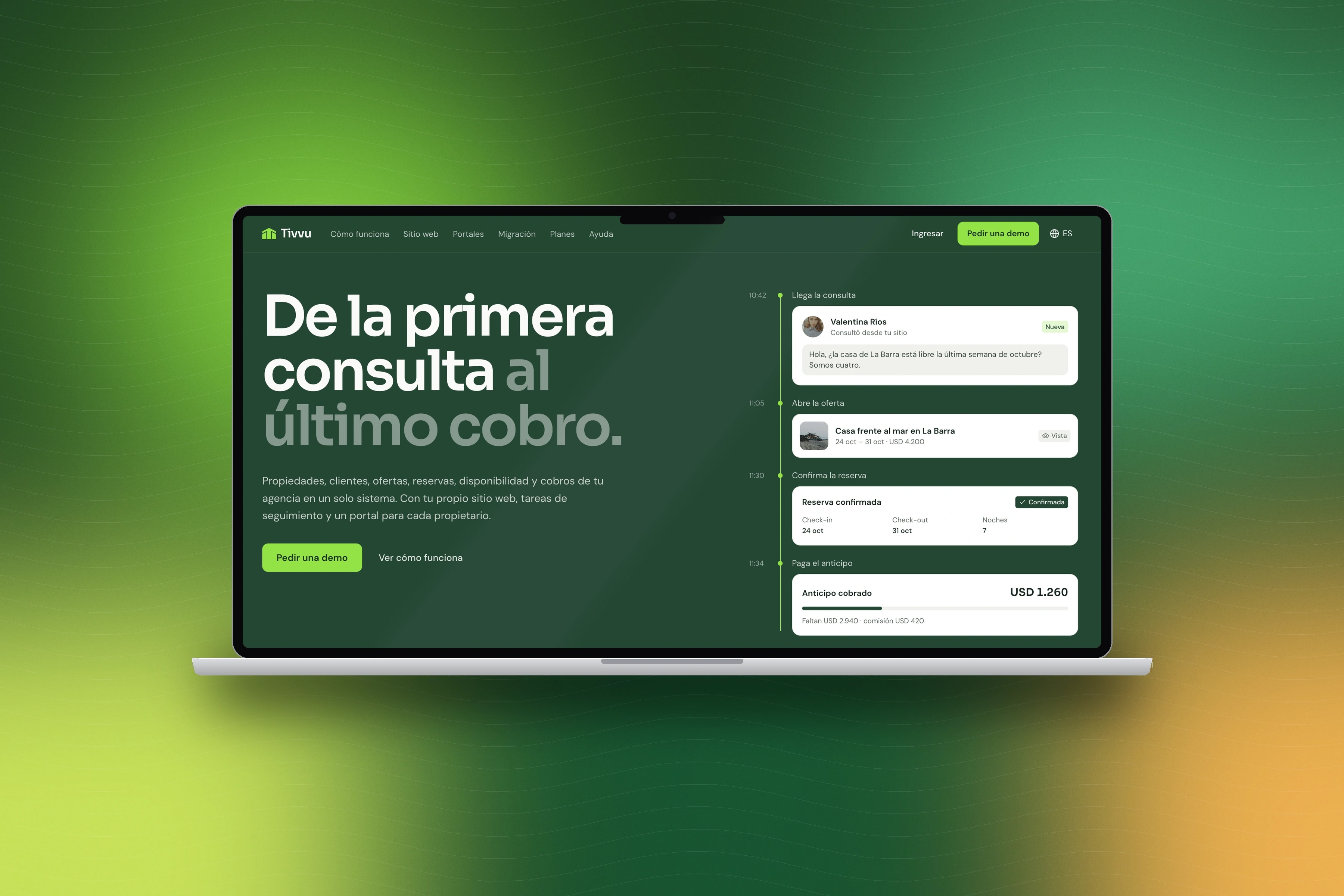
a SaaS platform for real estate agencies: properties, clients, offers and bookings in one dashboard, plus a branded public site for each agency.
a luxury villa rental platform with a booking API and a backoffice for the whole operation. See how to build a luxury villa rental platform.
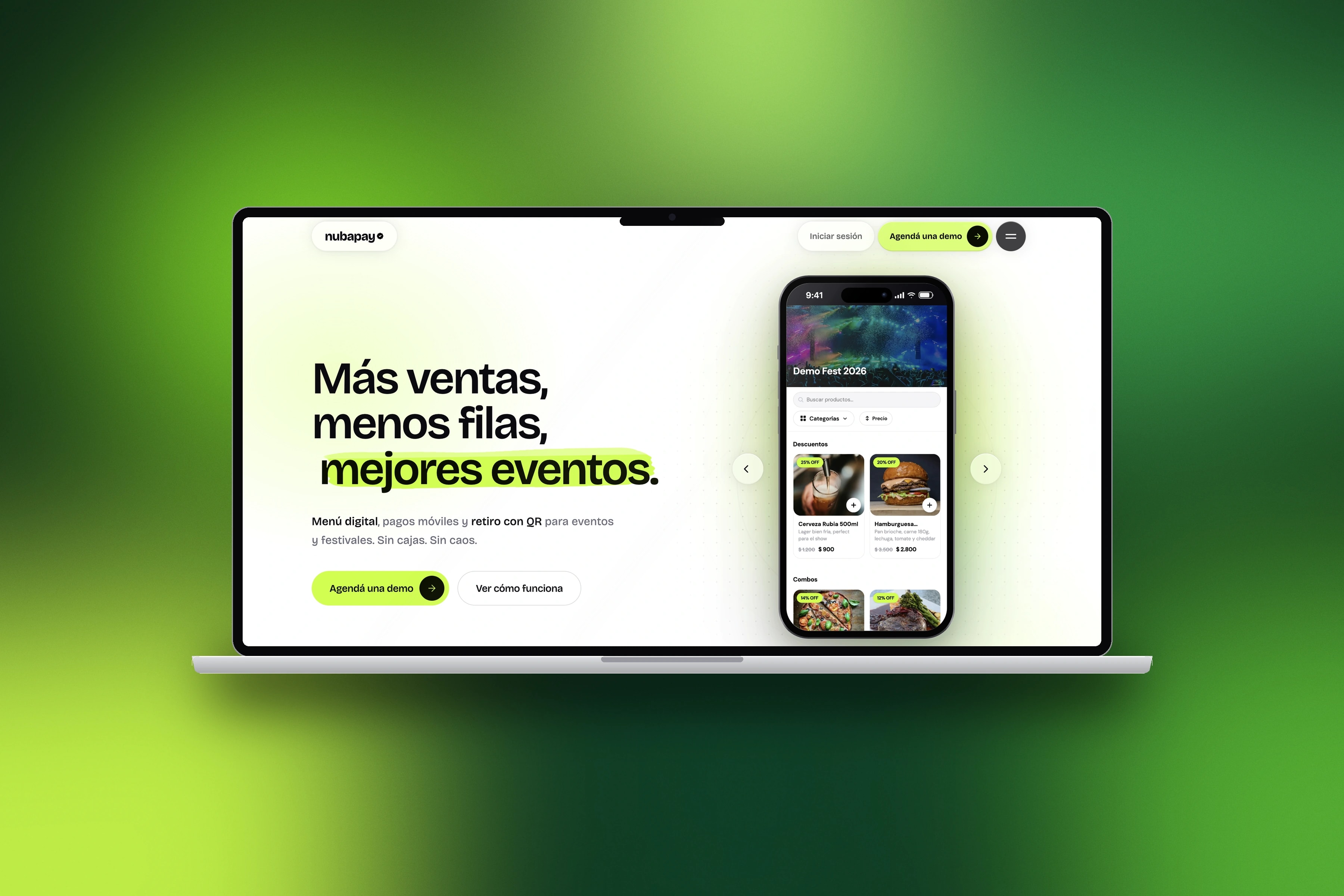
an ordering and payment platform for massive events, where attendees order by QR and organizers watch sales in real time.
The backoffice nobody budgets for
Every marketplace is also an operation: someone approves sellers, moderates listings, handles disputes, answers support and reads the numbers. We design the backoffice together with the product, because a platform that cannot be operated cannot grow.
Custom or off-the-shelf?
There are tools to launch a basic marketplace without code, and for testing demand they can be a good first step. They stop fitting when your model has its own rules: a special payment flow, a local logistics partner, bookings, or a commission structure the tool does not support. We help you decide with the questions in custom software vs SaaS.
Launching with both sides
The classic marketplace problem is that buyers come for sellers and sellers come for buyers. Part of our work is deciding which side to build for first and which features help the first users stay. We wrote about it in the chicken-and-egg problem.
How we run a marketplace project
- 01
Model and rules
Who sells, who buys, how money moves and what the platform keeps.
- 02
First version
The smallest flow that completes a real trade, end to end.
- 03
Design
Both sides of the market and the backoffice, tested with real users.
- 04
Development
Web and mobile against one API, payments and integrations included.
- 05
Launch and growth
We ship, measure and keep adding what the market asks for.
If you have a marketplace or platform in mind, tell us how it works and we will send a first reading of scope and timing.

FAQ
Frequently asked questions
How do payments between buyers and sellers work?
It depends on the model. We usually integrate a provider like Mercado Pago so the platform can hold the payment until the order is completed, keep its commission and pay the seller out. Refunds and disputes are designed as part of the flow, not added later.
Should my marketplace start as a website or an app?
Most marketplaces start on the web, because it is faster to launch and easier to find on Google. If your users need the phone, like for photos, location or notifications, we build web and mobile against the same API, as we did for Nuddo.
Can I use a no-code marketplace builder instead?
For testing demand, sometimes yes. When your model needs its own payment rules, logistics, bookings or integrations, a custom platform pays off. We tell you honestly which stage you are in.
Do you build SaaS platforms, not only marketplaces?
Yes. We build multi-tenant platforms with accounts, roles, subscriptions and billing, like Tivvu for real estate agencies, as well as booking and operations platforms like the one we run for Kennedy's Group.
How long does it take to build a marketplace?
A first version that completes a real trade end to end usually sits at the long end of our two-to-four-month range, depending on payments, logistics and whether it ships on web, mobile or both.
Let's buildsomething real.
Tell us what you're building. We'll take it from there.